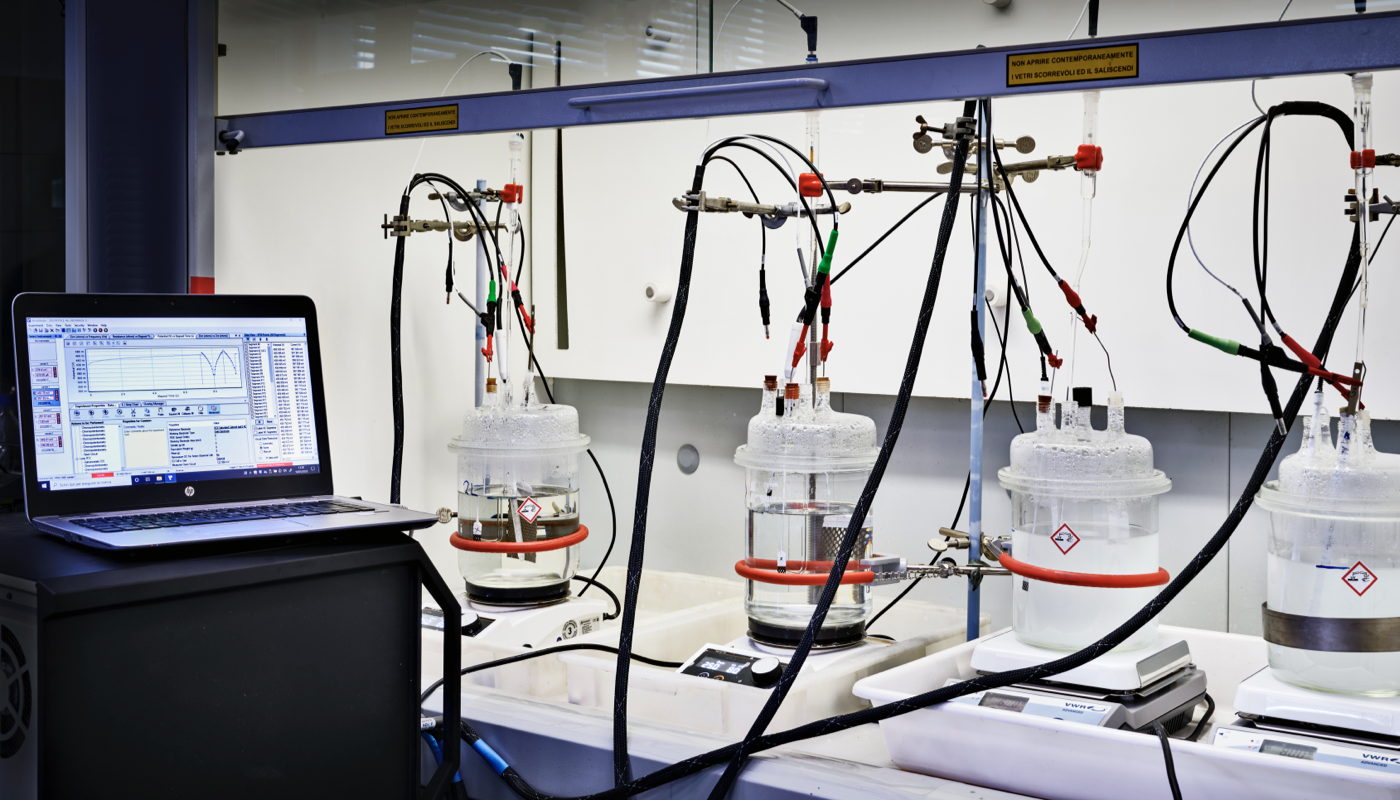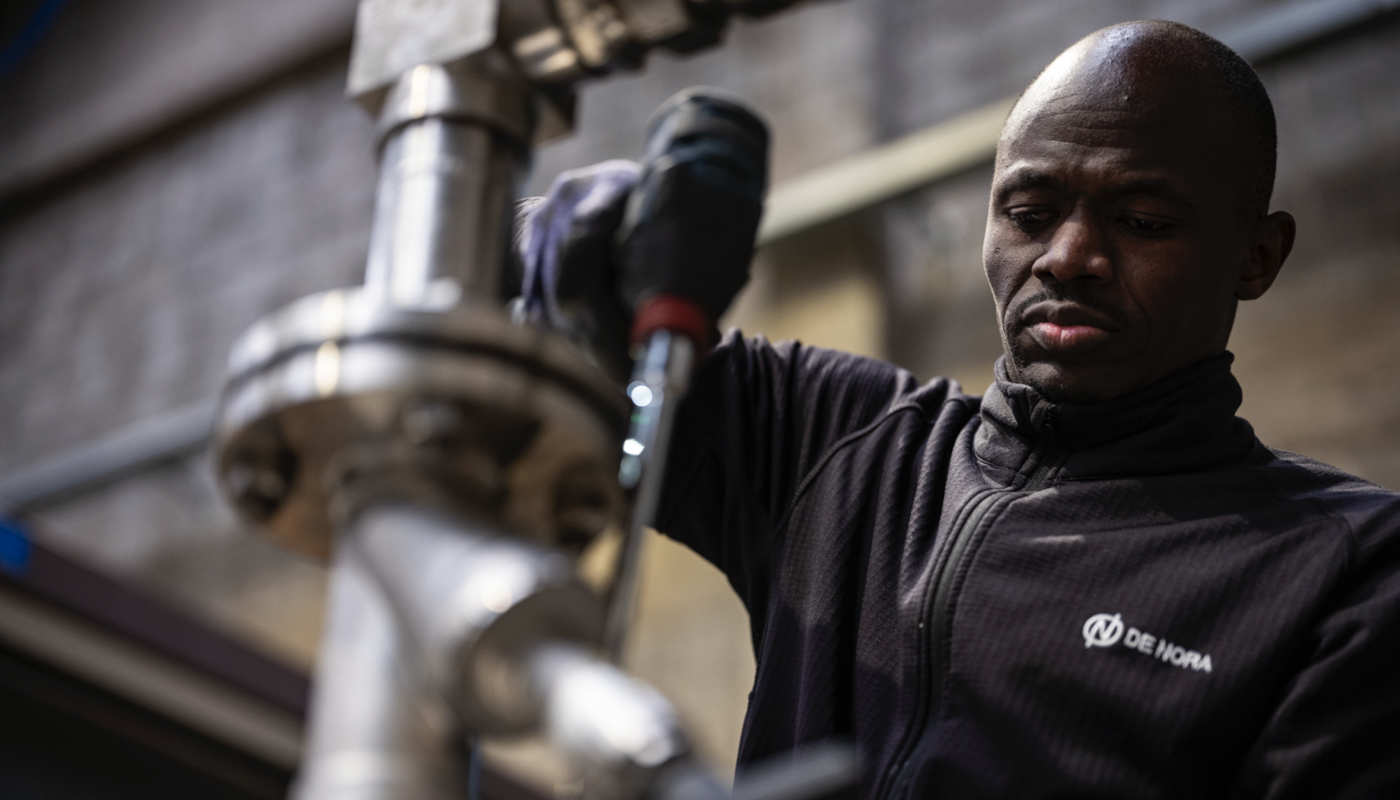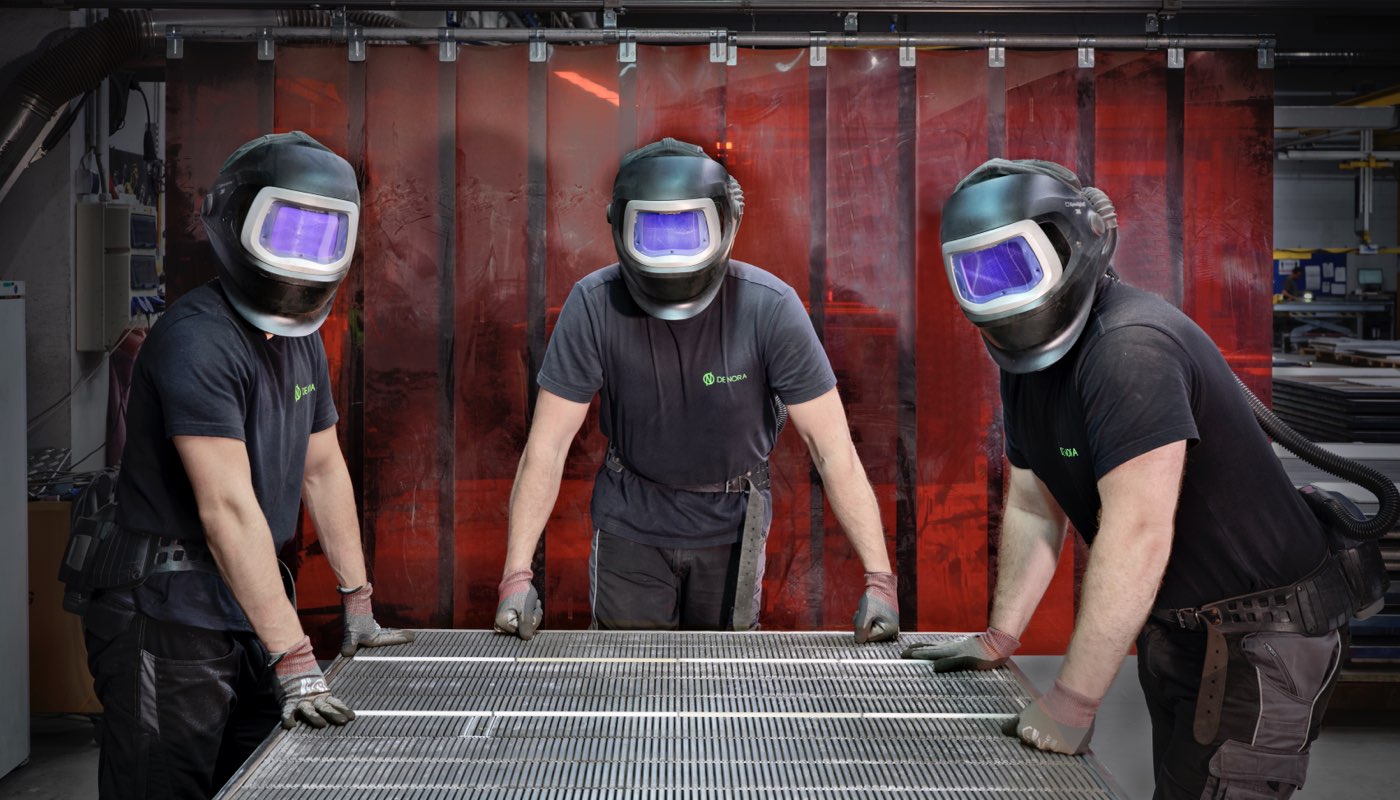
For De Nora, being a sustainable company has several meanings: developing technologies that enable the energy transition, improving the impact of our operational activities on the environment and people and striving to ensure a fair and inclusive working environment for the corporate population.
In 2023, De Nora launched an ESG strategy through which it contributes to the achievement of the Sustainable Development Goals (SDGs) set out in the UN 2030 Agenda.
Discover more about this in this article.
Have a good read!
 WORKING AT DE NORA
Do you want to work in a sustainable environment? Submit your application!
1. De Nora’s ESG strategy and the 2030 Agenda
The UN 2030 Agenda sets out 17 Sustainable Development Goals (SDGs), which are key for all countries that want to reduce their environmental impact.
De Nora aims to contribute to 10 out of the 17 targets, approaching sustainability as a long-term commitment.
For this reason, an ESG strategy has been planned, based on four pillars:
- Green Innovation
- Climate Action and Circular Economy
- People
- Community Engagement and Sustainable Supply CHain
What goals has De Nora set and what goals have been achieved?
1.1 Green Innovation
De Nora, a leader in the development of sustainable technologies for electrochemistry, is committed to promoting a future-oriented green innovation strategy.
This is done through the development of technological solutions designed to improve the energy efficiency and environmental impact of current and future proprietary technologies, also adopting a circular design.
- In 2025, the first 11 ‘ESG Product Scorecard’ have been relised. They are the company's products IDs outlining its environmental sustainability profile. All De Nora products will be assessed using ESG Product Scorecards by 2027.
- In 2025, R&D expenditure with a positive impact on the SDGs (Sustainable Development Goals) accounted for 100% of the total expenditure of this function;
- by 2026, the aim is to reduce by 4% the use of noble metals in the coatings of the main product lines (Membrane, Pools and Electrochlorination, Alkaline Water Electrolysis).
1.2 Climate Action and Circular Economy
When it comes to tackling climate change, knowing the impact of your footprint is very important.
On the one hand, De Nora’s clean and sustainable technologies make a real difference, creating a strong handprint that fights climate change. In fact, its technological solutions enable its customers to reduce emissions, improve energy efficiency, and transition to low-carbon processes, directly supporting global decarbonization efforts.
On the other hand, De Nora is committed to maximizing positive impact by reducing its carbon footprint, fostering circularity, and promoting the sustainable use of resources.
What milestones have been achieved in this area and what are planned for the future
- De Nora aims at reducing Scope 1 (direct emissions from the company) and 2 (emissions from acquired energy) emissions by 25% by 2027 (with a target of 50% by 2030 ). In 2025 Scope 1 and Scope 2 emissions decreased by 16% compared to 2022 (the goals' baseline);
- Scope 3 emission intensity (indirect emissions occurring along the value chain) is expected to be reduced by 52% by 2030;
- in 2025 De Nora purchased 1,9% of recycled noble metals and it is estimated that 5% of the noble metals used in De Nora’s products will be recycled by 2030;
- aim to have at least 80% ofdeforestation-free wood packaging by 2030;
- De Nora reached one year in advance the goal set for 2026 to reuse 40% of wood packaging. In 2025, 46% of wood packaging has been reused;
- By the end of 2027, 100% of sites plan to achieve ISO 50001. Today, all production sites recieved 14001 Certification.
1.3 People
In De Nora, people’s psychophysical well-being is as central as technological innovation. The ESG strategy includes training, psychological support and health care programmes, which encourage inclusion, multiculturalism and equal opportunities for all.
What has been done so far and what are the next steps?
- The DE&I policy (2024) has been officially adopted;
- parenting and relocation policies have also been extended to same-sex couples and single parents (2024);
- Several affinity networks for women and LGBTQ+ employees have been launched (2024);
- in 2025, the gender pay gap is zero for new hires, and the average gender pay gap is 1%.
- in 2025, De Nora obtained ISO 45001 certification for 100% of the sites;
- 100% of production sites organised a ‘safety day’ in 2025. To date, there are already regular Gemba Walks by Managing Directors;
- by 2026, De Nora aims to activate mental health support programs in all territories;
- in the three-year period 2025-2027, the Group is committed to achieving 40% women in new hires for the white-collar category (non-manufacturing).
1.4 Community engagement and sustainable supply chain
De Nora’s commitment to people then extends to the relationship that is mantained with local communities and the interest in a sustainable supply chain.
What milestones have been achieved in this area and what are planned for the future?
- Through De Nora's STEM career development programs the company reached over 46% of female students in DEI events;
- 46% of suppliers, based on those accounting for 80% of procurement spending, have been assessed on the basis of ESG criteria in 2025, achieving in advance the goal of 25% set for 2025 and getting close to the target set at 50% by 2030;
- 100% of at-risk suppliers are expected to be involved in sustainability initiatives by 2026;
- 2 on-site audits were cerried out at strategic suppliers in 2025;
- Sites with more than 100 employees will keep striving to accommodate at least 20 students annually by 2026. In 2025 expectations were widely exceeded with the involvement of more than 300 students.
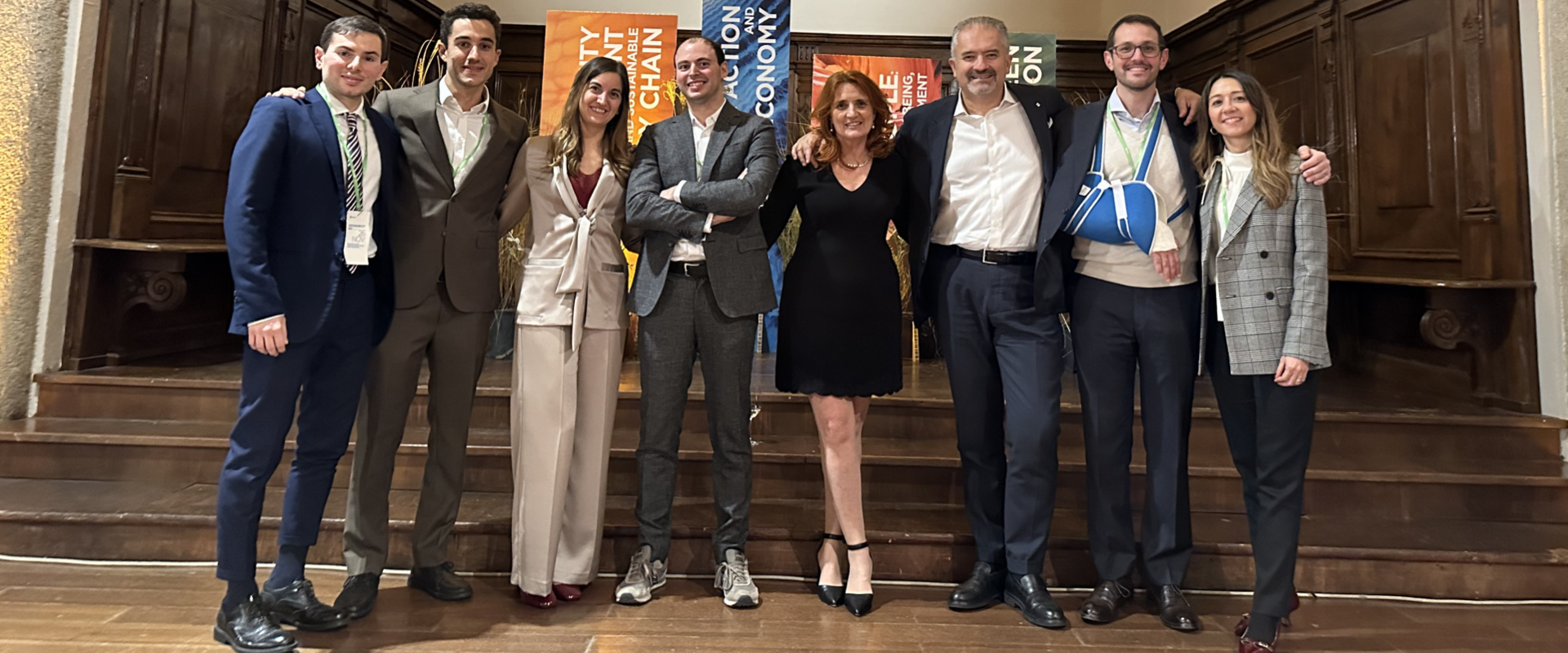
At its core is the ESG team, which manages the sustainability plan and coordinates the involvement of the two main ESG governance bodies:
- the ESG Steering Committee, composed of chief officers, which acts as a supervisory body;
- the ESG Accelerator Lab, with a permanent team made up of representatives of various corporate functions (Operation, R&D, Procurement, Legal and PoRSCH), which is responsible for implementing and monitoring the initiatives of the plan, supported by contact persons for each function and in each plant, the ESG Focal Points.
3. Sustainability as a collective project
For De Nora, the research for innovative solutions is the basis for achieving the sustainability objectives discussed above.
However, innovation starts with people: This is why it is essential for each employee to be able to contribute.
One of the main channels for sharing ideas is Galileo: through this platform was born the proposal to use a green paint for the Gigafactory of De Nora!
4. De Nora towards a sustainable future
De Nora's ESG strategy is a concrete and long-term commitment, which has already led to significant results and looks with determination to future objectives.
Thanks to scientific research, the commitment of each employee and the collective involvement, De Nora will reach 2030 certain of its contribution towards the environmental objectives to which it has been aiming since the company was founded.
WORKING AT DE NORA